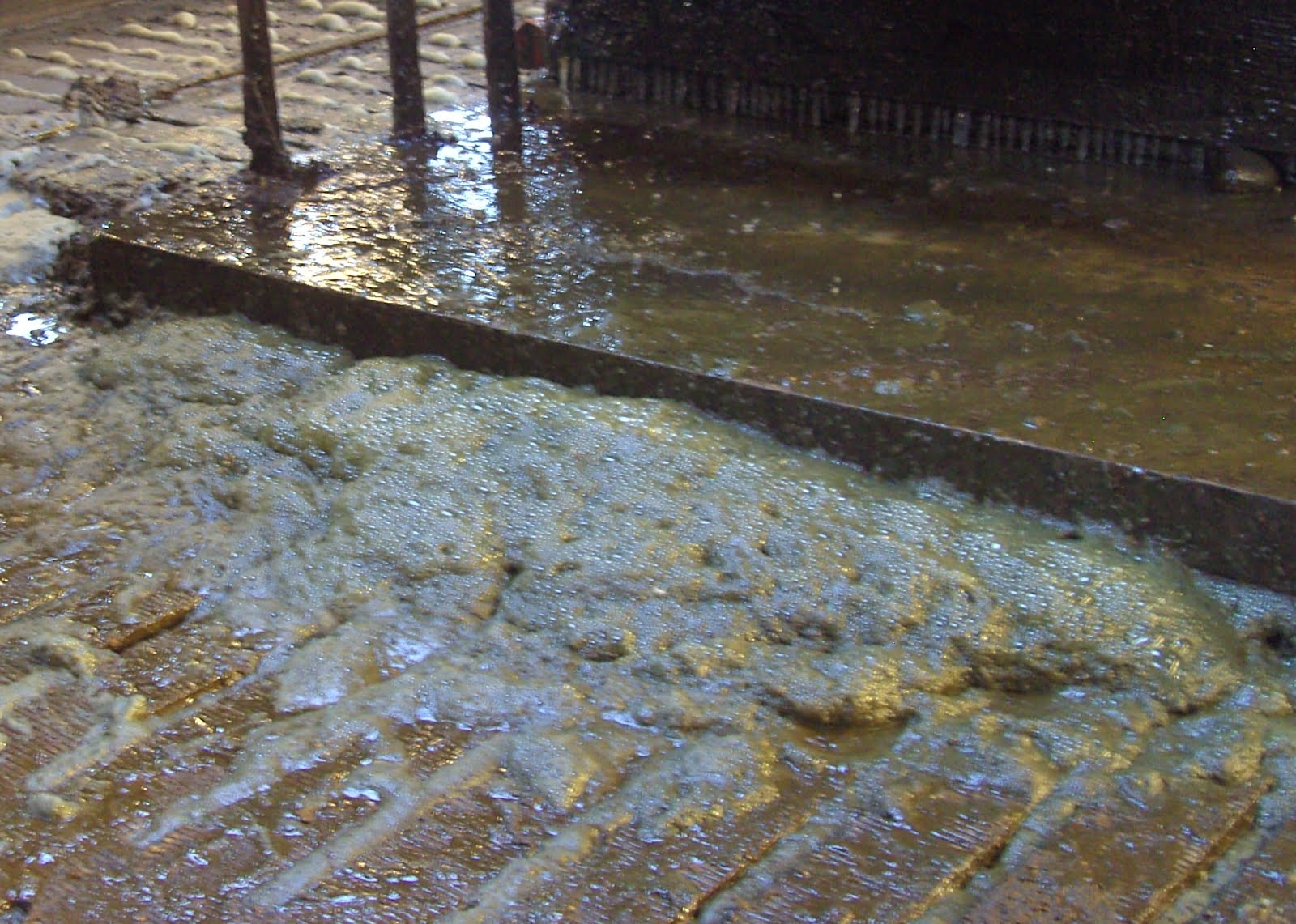
It’s that time of year again, bringing problems: Manure Foam.
Pits filling up, a bit of cold weather, and foaming becomes a reality again.
Today I was asked again what’s causing this. My answer: the ration. I explain that a government measure has reduced the phosphate in the pellets, replacing fillers like palm kernel and rapeseed. What is your complete ration? Grass, corn, minerals, beets, etc. Do you still use polyglycol or glycerol? The answer was no.
We’re still chatting outside for a bit when I see the composition of the pellets. Glycerol is listed as a basic ingredient.
Glycerol: The first six letters come from glycerin, which is used to make soap.
Palm kernel oil is produced by rolling the palm kernel husks. Rolling these husks is expensive (whether you roll them four or thirty times). After four rolls, 80-90 percent of the oil is removed. If you roll them another 26 times, you reach 95-98 percent of the oil. You understand that rolling them 26 times takes more time, which doesn’t actually produce a product. Palm kernel oil has a saponification of 220.
Rapeseed oil has a saponification of 225; the rolling process is the same as for palm kernel oil.
A cow can’t handle glycerol, palm kernel oil, or rapeseed oil. It goes in through the mouth and comes out the back. There, it forms a soapy film over the manure. Manure emits, especially during a rotting process where no AgriMestMix® or Compost-O® is used. The gases generated from the manure encounter the film. There, they are trapped in air bubbles and accumulate into foam. The amount of foam causes several unpleasant side effects. Storage shortages, extreme odor, and cows walking through the foam − increased risk of Mortellaro disease and other leg defects.
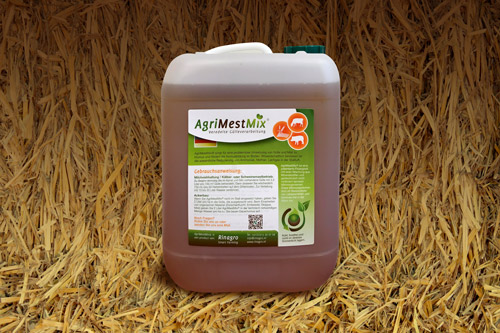
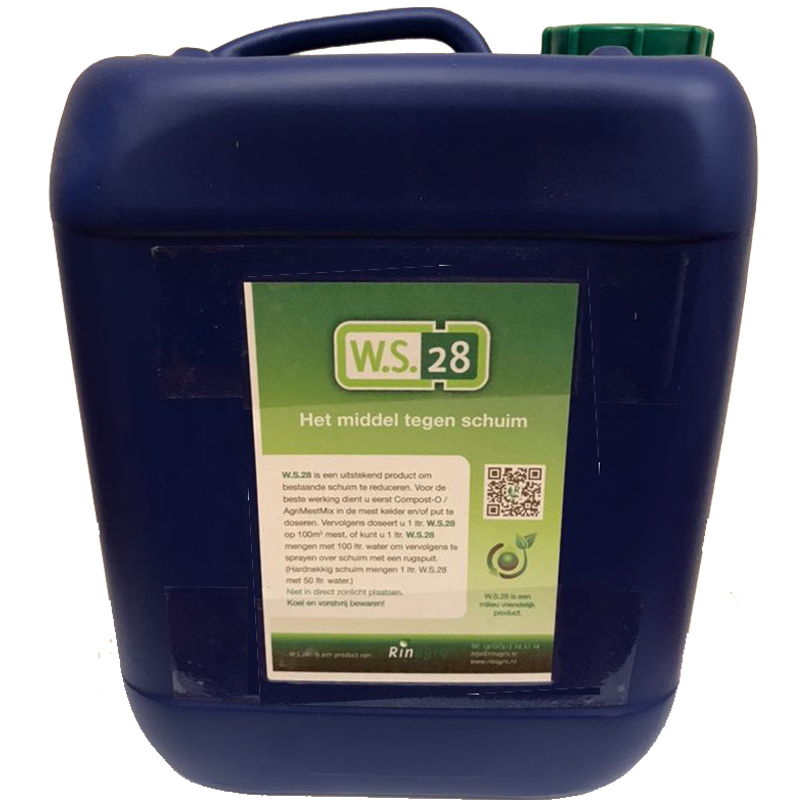
The solution is at hand: reduce the emission rate. Using AgriMestMix® / Compost-O® / Compost-O® Super reduces emissions from the pit. If used in combination with W.S. 28 (a symptom-fighting agent), you can effectively control foaming.